

The Veneto Padel Cup marked a historic milestone in international padel as it hosted the first-ever FIP Platinum tournament in the history of the Cupra FIP Tour. The event stood out not only for its sporting level, but also for its scale, structure, and significance within the global padel ecosystem.
With a strong international draw, high stakes, and a fully packed schedule across multiple venues in Veneto, the tournament confirmed its position as one of the most ambitious padel projects in Europe.
A Historic Step for the Cupra FIP Tour
This edition of the Veneto Padel Cup introduced the new FIP Platinum category, positioned above the Gold level and just below the Finals in terms of ranking value and prestige.
Key competitive details:
- Total prize money: €120,000
- Equal distribution between men’s and women’s draws
- Ranking points for winners: 200 points
- Double the points of FIP Gold tournaments
- 50 points more than the FIP Finals
This structure immediately elevated the tournament into the top tier of the international circuit, attracting elite players and increasing competitive intensity from the earliest rounds.
Venues Split Between Innovation and Prestige
The tournament was hosted across two key locations, each playing a different role in the event structure.
H-Farm (Ca’ Tron – Roncade)
The opening rounds and qualifications were played at H-Farm, one of Europe’s leading innovation hubs. The venue is known for bringing together students, entrepreneurs, and professionals in a highly international environment focused on digital transformation and innovation.
Entry for early-stage matches was free, allowing fans and visitors to experience professional padel in a relaxed, accessible setting.
Zoppas Arena (Conegliano)
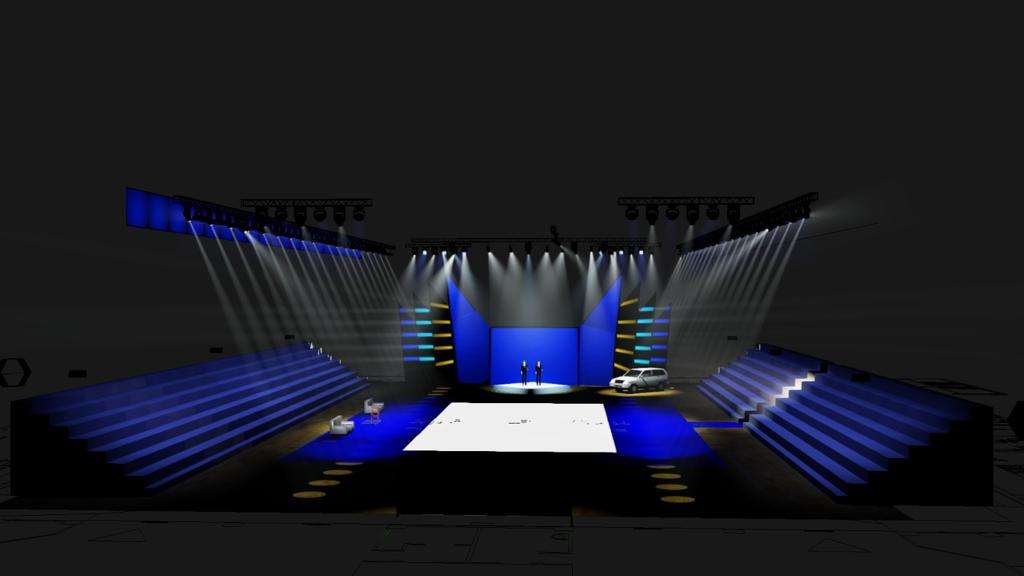
The decisive stages of the tournament took place at the Zoppas Arena, a modern indoor sports facility capable of hosting around 4,000 spectators.
Conegliano itself is located in the province of Treviso, about 30 km from the provincial capital and 60 km from Venice. The area is internationally known for its Prosecco production and UNESCO-listed hills, adding a unique cultural backdrop to the sporting event.
A Breakthrough Edition for the Veneto Padel Cup
This edition represented a major step forward for the tournament, as it officially became part of the FIP Platinum category.
Organizers highlighted the significance of this recognition, emphasizing the growth of the event from a regional initiative into a competition with global relevance.
The Veneto Padel Cup has now established itself as a platform where elite international players, rising talents, and national representatives all compete within the same structure.
Men’s Draw: Elite Competition at the Highest Level
The men’s tournament featured a strong international lineup, with Argentina and Spain once again dominating the top seeding positions.
Top seeds:
- Agustin Gomez Silingo / Juan Cruz Belluati (Argentina) – top seeds
- Pablo Lijó / Javier Ruiz González (Spain) – second seeds
These pairings represented a mix of power, experience, and tactical consistency, making them natural favorites in the draw.
Italian participation
Italian players entered primarily through the qualification rounds, facing a highly competitive field.
Among the notable pairs:
- Cassetta / Cremona
- Sinicropi / Cattaneo
- Di Giovanni / Salandro
In addition, several Italo-foreign combinations also featured in the main draw, reflecting the increasing internationalization of Italian padel.
Women’s Draw: Spanish Dominance Meets Strong Italian Presence
The women’s competition also delivered a high-level field dominated by Spanish pairs at the top of the draw.
Top seeds:
- Veronica Virseda / Barbara Las Heras – top seeds
- Lucía Martínez Gómez / Esther Carnicero Martín – second seeds
Both pairs brought experience from top international tournaments and were expected to set the competitive standard.
Italian representation
The Italian presence was significantly stronger in the women’s draw, with nine pairs in the main competition.
Key combinations included:
- Pappacena / Alonso (seeded #9, Italo-Spanish pairing)
- Marchetti / Reiter (seeded #11, Italo-Argentine pairing)
- Petrelli / Stellato (#12)
- Orsi / Tommasi (#13)
These teams reflected the growing depth of Italian women’s padel and its increasing competitiveness on the European stage.
Broadcast and Media Coverage
The tournament was widely accessible to fans through digital and television platforms.
Matches were broadcast via:
- Official FIP YouTube channel
- Veneto Padel Cup streaming platforms
- Select live coverage on Sky Sport (schedule subject to confirmation)
This multi-channel approach significantly expanded the tournament’s visibility beyond Italy and reinforced its international profile.
The Rapid Growth of Padel in Italy and Veneto
One of the most striking aspects highlighted during the event was the explosive growth of padel in Italy.
National growth trends:
- 2018: around 600 courts
- Recent figures: over 6,450 courts
- Spread across 2,530 facilities
- More than 1 million active players
Veneto region development:
The Veneto region has experienced similar growth:
- From fewer than 20 courts in 2018
- To nearly 300 courts today
- Around 44% of courts are indoor
- Spread across more than 110 clubs and facilities in 77 municipalities
Provincial breakdown:
- Treviso: 67 courts
- Verona: 62 courts
- Vicenza: 53 courts
- Padua: 50 courts
- Venice: 48 courts
- Rovigo: 13 courts
- Belluno: 5 courts
These numbers reflect a sport that has rapidly transitioned from niche activity to mainstream recreational and competitive discipline.
A Tournament Built on International Depth
The Veneto Padel Cup succeeded in bringing together:
- Top international professionals
- Emerging Italian talent
- Mixed-nationality partnerships
- A broad amateur qualification network
This multi-layered structure created a unique competitive environment rarely seen in other padel events.
Final Reflection
The FIP Platinum edition of the Veneto Padel Cup represented a turning point for the tournament and for the broader Cupra FIP Tour structure.
By combining elite prize money, high-ranking points, international stars, and a strong developmental base, the event established itself as a key reference point in the modern padel calendar.
More than just a competition, it became a demonstration of how fast the sport is growing—both in Italy and across Europe.